



Sweden is reporting dozens of measles cases in an outbreak linked to an annual music festival. The outbreak follows a dip in Sweden’s high vaccination rates.
The epidemic has been traced to the Urkult Festival which attracted 10,000 people to northern Sweden in August. Children, who account for a significant proportion of the cases reported so far, could attend the festival for free.

Sweden recorded just ten cases of measles in total in 2025. Vaccination rates have traditionally been high, with the vast majority of people vaccinated against measles. In 2022, 97% of children in Sweden had at least one dose of the MMR vaccine. Since 2022, uptake has fallen to around 93%.
However, as measles is among the most contagious viruses in circulation, experts say 95% of people in a community need to have two doses of measles vaccine to ensure ‘community immunity’. This means that a relatively small drop in vaccine uptake can allow the virus to return, causing outbreaks.
How is Sweden responding?
Swedish authorities are tracing contacts of those infected and have also informed European authorities and health officials in neighbouring countries to be aware of potential outbreaks.
Stockholm is running catch-up campaigns in September and October for adults who were not fully vaccinated, even if they did not attend the festival. Demand for the MMR vaccine has surged since the outbreak. One clinic reported a 450% increase in requests for the vaccine, according to Radio Sweden.
Is MMR vaccination the only way to prevent measles?
Medical and scientific bodies say MMR vaccination is the best way to stop outbreaks. In the United States, the current political administration has advocated splitting the MMR vaccine in three. This stems from a widely discredited paper claiming that the vaccine is connected to autism. Decades of scientific research and analysis of how vaccines affect children has established that vaccines do not cause autism.
US medical bodies have expressed strong concern that splitting the vaccine into three parts will reduce vaccine uptake because it requires parents to bring their children to additional medical appointments. The American Medical Association (AMA) and American Association of Pediatrics (AAP) have restated their support for combined vaccines, as measles cases continue to spread in the US.
What are European experts saying about the MMR vaccine?
The European Medicines Agency (EMA) says MMR vaccines are a safe and effective way to prevent measles, mumps and rubella. In a detailed update which addresses common questions about the combined vaccine, the agency – which regulates medicines and vaccines in the EU – says the MMR vaccine has been used for several decades to protect children and its safety.
‘Combining the measles, mumps and rubella antigens in a single vaccine does not increase any risk of side effects,’ EMA says, warning that offering the three components separately comes with risks. ‘Giving separate vaccines over a longer period could leave children exposed to infection.’
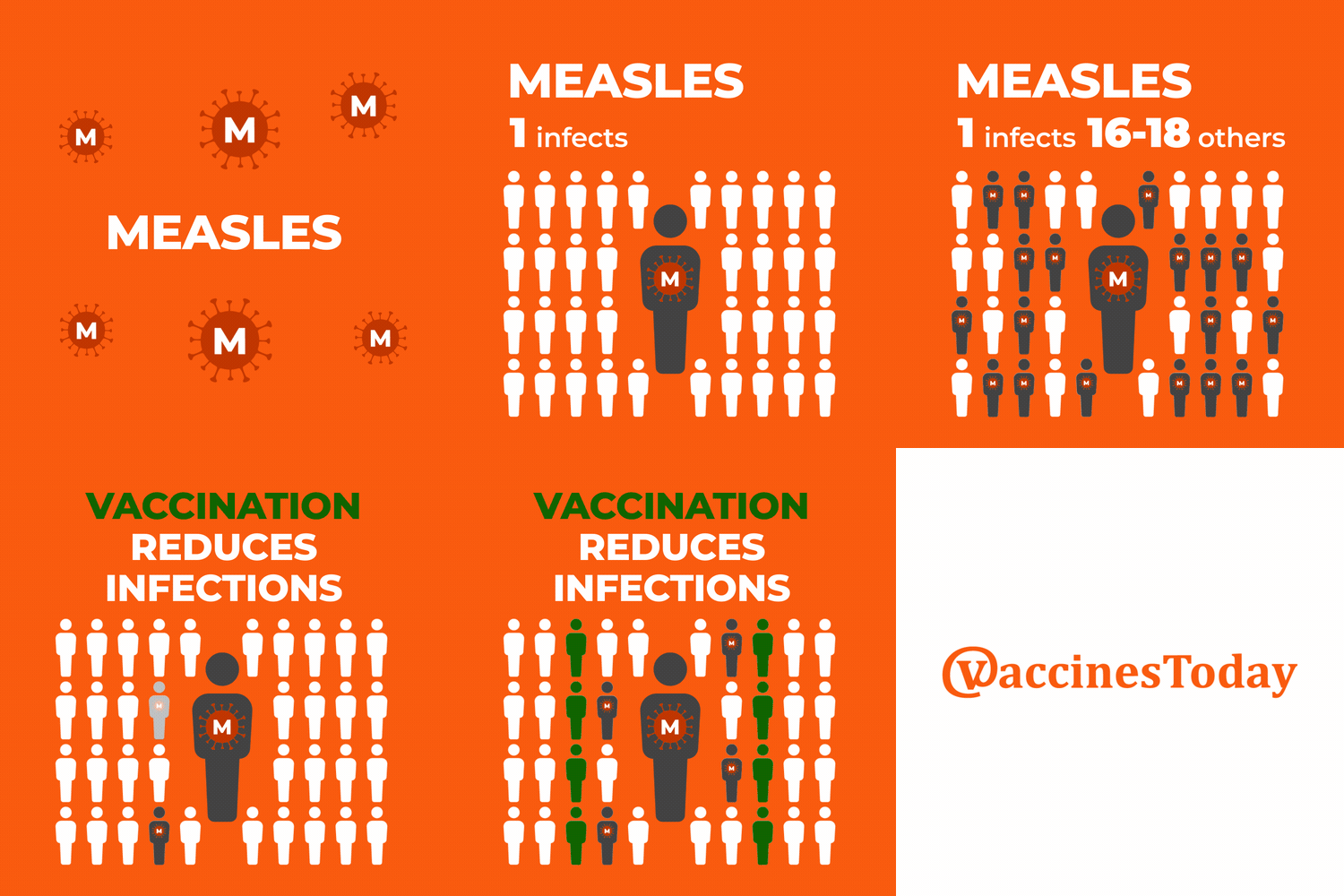
European experts are fully behind the MMR vaccine. Dr Marco Cavaleri, Head of Health Threats and Vaccines Strategy at EMA, said MMR vaccines are a good example of what combination vaccines can achieve. He said MMR vaccines are safe and effective in reducing the burden of disease and saving lives.
‘If we follow scientific evidence and care about effective and timely prevention of measles, mumps and rubella, there is only one way: continue to use MMR vaccines and promote their public health value so as to maintain high vaccine coverage,’ he said.