


Globally, we are adding years to life, but are we adding life to years? Noncommunicable diseases (NCDs), such as chronic respiratory diseases, heart diseases, diabetes, and other conditions, are leading causes of morbidity and mortality. This is particularly relevant as populations age, the burden of NCDs rises and healthcare spending and care needs are expected to increase drastically.
The increasing prevalence of NCDs and declining health in later life is not only detrimental to dignity, inclusion and quality of life of the person but also threatens to burden health and social systems, impede development and hinder economic productivity. According to the OECD, GDP per capita growth would slow down by about 40% in the OECD area due to ageing without significant improvement in productivity gains.
How do we support improvements in health, in addition to longer lives? Vaccines are a key tool.
Vaccination is a pillar of preventative health and can support combatting NCDs and keeping people healthier for longer. People with chronic diseases are often recommended to receive vaccinations, such as vaccinations to protect against influenza, COVID-19, shingles and pneumococcal pneumonia. This is primarily because they may be at greater risk of experiencing severe consequences due to infection, such as hospitalisation, loss of function or exacerbation of disease. Emerging research finds that vaccination may also support reduced risk of heart attack, stroke and even dementia. Importantly, vaccination can preserve independence and the ability to do the things we value as we age.
This evidence is compelling and underlines the need for greater recognition of the broader benefits of vaccines, and the inclusion of immunisation within NCD agendas.
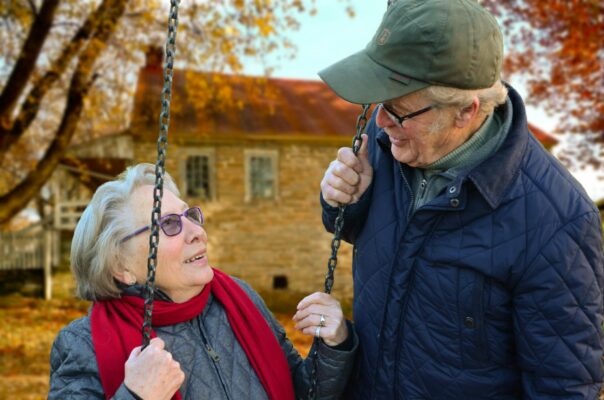
This was the impetus for a recent Symposium held at the International Federation on Ageing’s 17th Global Conference on Ageing hosted in September. The conference was an opportunity to gather global experts to address critical issues related to population ageing – creating societies that allow everyone to age in good health and with dignity.
The session, “Uniting Sectors for Healthy Ageing,” sought to connect diverse stakeholders and identify shared strategies for promoting healthy ageing, viewed through the interconnected lenses of immunisation, age-friendly environments, and NCDs. Panelists examined how these areas intersect and emphasised the importance of building a cohesive agenda to drive collective action.
Key messages emerged from the Symposium which can support shared solutions that prioritise health prevention:
- Health prevention and promotion must be central to strategies that support ageing populations. The focus should not be solely on disease management, but on ensuring access to the health services, including immunisation, and environments that enable well-being at every age.
- Age-friendly environments are a powerful tool for health. How can vaccination services be made more age-friendly and how can age-friendly environments, in turn, ensure equitable access to vaccination?
- Cross-sector advocacy is essential to bridge health and social systems, positioning immunisation as a cornerstone of healthy ageing and a shared societal responsibility.
The ultimate goal is to allow people to do what they value and live in good health for longer – vaccinations can support ensuring good health and function and enable independence. To realise benefits of longer lives, vaccination must be prioritised.
The International Federation on Ageing is leading these conversations and invites you to join us in advocacy and in building bridges across stakeholders.
Katrina Bouzanis is Director of Policy and Advocacy at the International Federation on Ageing (IFA)
References available on request