



Human papillomavirus (HPV) vaccines protect against common viruses responsible for most cervical cancers. Countries with strong HPV vaccine uptake are close to wiping out the leading cancer-causing types of HPV.
Europe aims to ‘end’ cervical cancer through vaccination, screening and better treatment. Alongside school-based vaccination of girls and boys, pharmacists, GPs and nurses have a role to play in discussing and offering HPV vaccination.
But HPV is also responsible for several other cancers, including oral cancer and head/neck cancers. This has prompted some experts to highlight the potential role of dentists in:
- Checking for signs of oral cancer;
- Discussing HPV prevention with clients;
- Administering the vaccine.
A paper published in the British Dental Journal calls for dentists and dental therapists to be mobilised in the fight against HPV-related cancers. In the UK, dental therapists are health professionals that perform some tasks associated with dental hygienists, as well as doing fillings extracting ‘baby’ teeth.
‘It is time to reconsider the traditional boundaries of dental practice,’ write Ömer Faruk Sönmez and Raman Bedi. ‘Expanding the role of dental therapists to include vaccination could be a critical step in protecting public health, particularly in combating HPV-related diseases.’
Read: Meet the tonsil cancer survivor turning his brush with death into a superpower
The paper has triggered conversations on the role of dental therapists in dentistry, but also sparked discussion about a more prominent role for dentists in vaccination. Some research indicates strong support among dentists for vaccination, while the US Academy of General Dentists is already advocating for HPV vaccination.
‘Overall, we have received positive comments and encouragement from our dental and non-dental colleagues,’ said Dr Sönmez, a dentist and public health researcher.
What about European dentists?
According to the Council of European Dentists (CED), which is a member of the European Coalition for Vaccination, it is not common practice for dentists across Europe to administer immunisations. Vaccination training is not a feature of university programmes in dentistry nor is it a required topic under EU Professional Qualifications rules. However, the CED sees a role for dentists in promoting HPV vaccination uptake and in countering misinformation.
Citing the EU Safe Hearts Plan and EU Beating Cancer Plan, both of which emphasise the value of vaccination in preventative health, dentists could educate clients about immunisation, as well as the risks associated with smoking and alcohol consumption.
‘Regarding the administration of vaccines, this is not a widespread practice by dentists, who commonly refer patients to competent healthcare practitioners and vaccination centres,’ CED said in a statement. The Council also highlighted its 2021 Resolution in which it set out its support immunisation, including HPV vaccination of boys and girls.
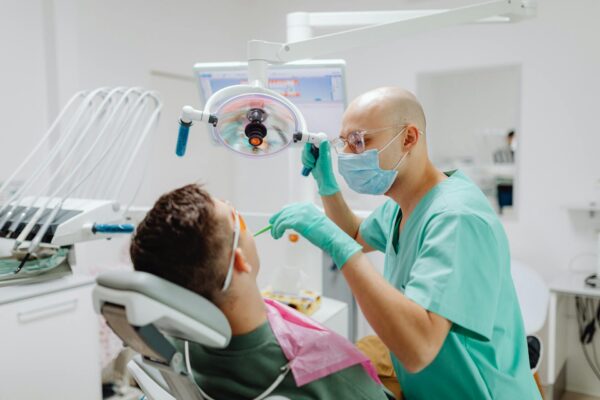
There may be practical or legal barriers to overcome before dentists are a mainstream feature of immunisation programmes. Training – including in vaccine communication – would also be needed. However, Prof Raman Bedi, President-elect of the World Federation of Public Health Associations, and former Chief Dental Officer for England, believes these issues can be overcome.
‘If a dentist can identify the inferior dental nerve, they can find the left arm!’ he told Vaccines Today.
Prof Bedi cites the role of dental teams in vaccine delivery during the Covid pandemic to illustrate how professional boundaries can be overcome in pursuit of urgent public health goals.
‘Today’s declining childhood vaccination rates, particularly stalling HPV uptake among marginalised populations, demand similarly innovative approaches,’ he said. ‘The dental profession offers unique advantages: trusted relationships with communities underserved by mainstream primary care, and clinical touchpoints with populations who may avoid GP surgeries but maintain dental attendance.’
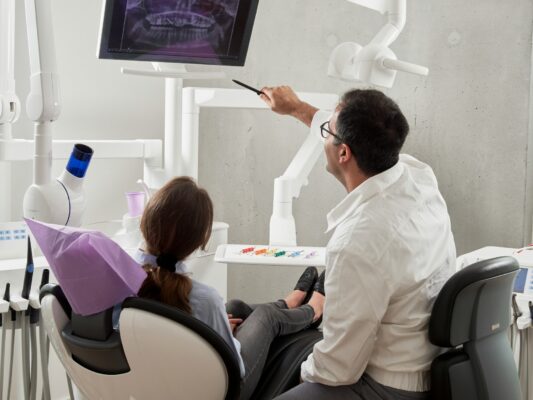
Crucially, he said, dentists bring ‘authenticity’ to HPV vaccination advocacy through their expertise in oral cancer.
‘HPV-related oropharyngeal cancers are rising dramatically, yet this oral health dimension remains underutilised in public messaging. Dental professionals can communicate the link between mouth cancer and HPV with clinical credibility whilst providing accessible vaccination pathways.’
Integrating dental professionals into routine vaccination, particularly for HPV, ‘offers fresh voices, extended reach, and context-specific messaging that resonates’. The required infrastructure exists, Prof Bedi said, but new policy frameworks are needed.
Prevention is the future
Dentists could play a bigger role in preventative health, but several hurdles must be cleared to turn this aspiration into action. For the current cohort of dental students, a wider discussion about training and legislative changes is needed if the profession is to evolve in the coming years.
‘Dental students increasingly recognise the link between HPV and oral cancers, and many see value in dentists contributing to prevention through patient education and early discussion of vaccination,’ said Saulė Skinkytė, President of the European Dental Students’ Association.
‘Expanding dentists’ involvement in vaccine delivery should be considered carefully. From a student perspective, this would require clear legal frameworks, appropriate training, and strong safeguards to ensure patient safety. This is a discussion for the future, and student voices should be included early.’
Taking inspiration from pharmacists?
While it may be early days for dentistry-based vaccination, the growing role of pharmacists in vaccine delivery shows what’s possible. Twenty years ago, few countries allowed pharmacy-based vaccination. By 2016, that had risen to 19; by 2020, it was 33.
Now, around 60 countries and territories involve pharmacists in vaccination – most supported by legislation and dedicated training programmes.
Will dentists follow the same path?