



Summer is a good time for a walk in the woods, fruit picking in forests or a camping holiday. However, it is also tick season in some parts of Europe which means a higher risk of tick-borne encephalitis (TBE) – a rare but potentially serious disease.
TBE is a vaccine-preventable illness that affects the central nervous system. The disease is spread by small eight-legged parasites known as ticks and affects people of all ages. Ticks are found in forests and meadows, parks and gardens – and even in cities – when temperatures rise above 6℃.
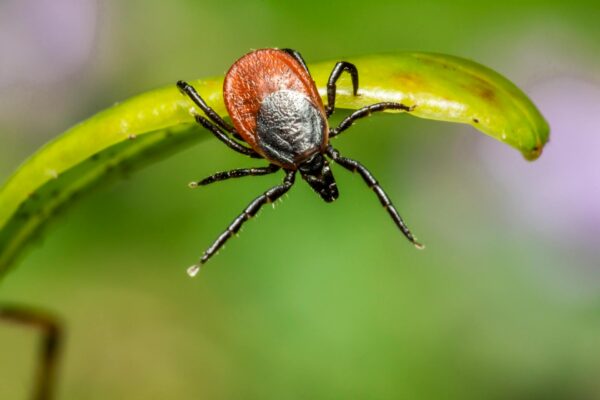
As well as potentially carrying TBE, ticks can spread Lyme disease. But while Lyme disease is caused by a bacterium and can be treated with antibiotics, TBE is caused by a virus for which there is currently no cure.
Europe’s tick ‘hotspots’
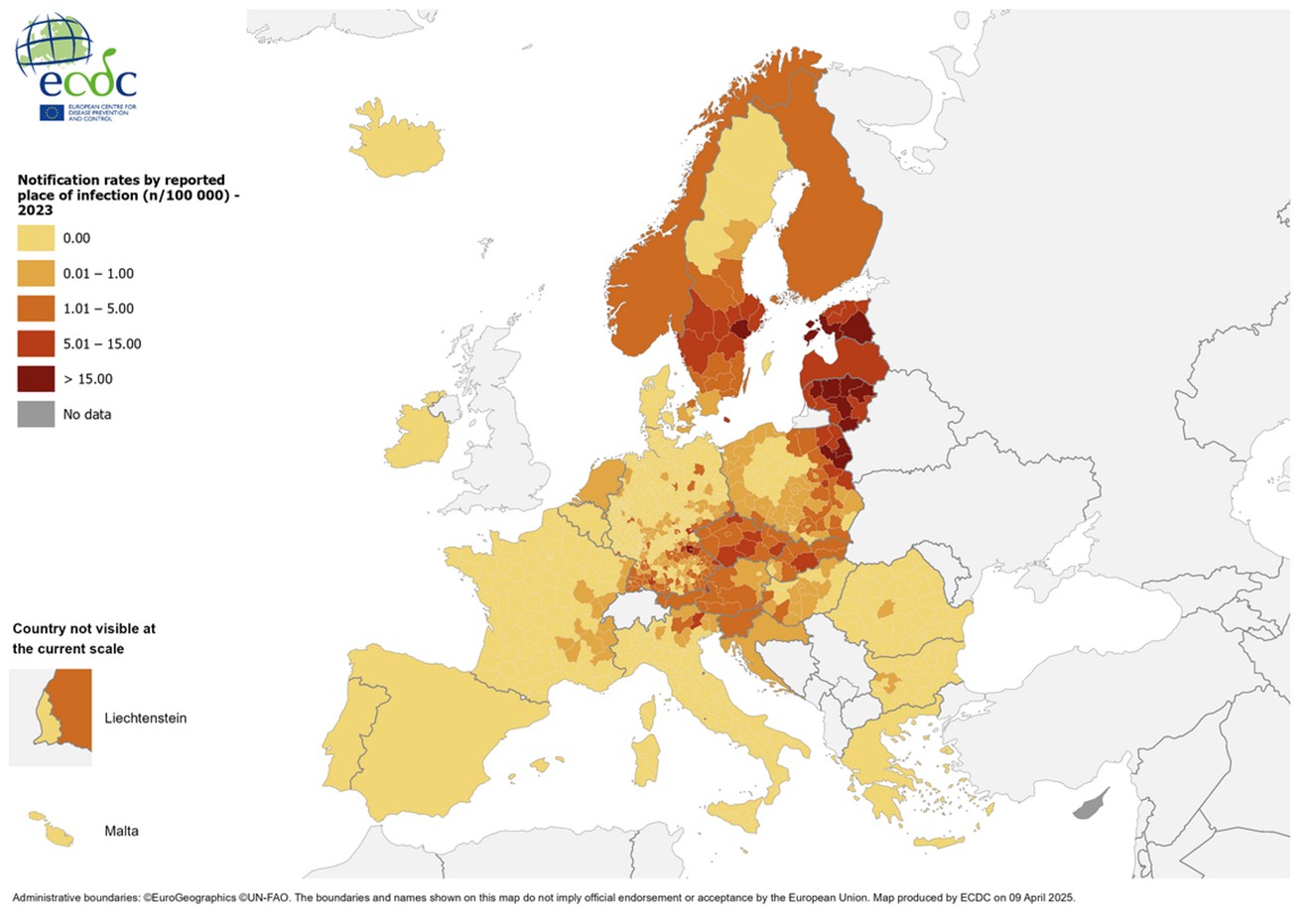
New maps published by the European Centre for Disease Prevention & Control (ECDC) show that local cases of TBE are mainly concentrated in Central, Eastern and Northern Europe.
What are the symptoms of TBE?
A tick bite can go unnoticed and some people do not experience symptoms. However, if you are infected with the virus that causes TBE, the first phase of symptoms (after 2-7 days) can include high fever, headache, nausea and muscle spasms.
This may be followed by a symptom-free respite period (2-10 days). However, a second phase of symptoms can follow due to inflammation of the brain and spine. These symptoms include high fever, headache, nausea, vomiting and vertigo.
One in three people developed long-term effects lasting months or years: muscle weakness, paralysis, cognitive changes, loss of consciousness and disorders affecting coordination, balance and speech. TBE can be fatal in very rare cases.
Preventing TBE
A vaccine to prevent TBE is available and is an effective means of prevention. In addition, taking personal protective measures – such as wearing long clothing, using tick repellent, avoiding tick-infested areas, and promptly removing any ticks from the skin – can significantly reduce the risk of infection.
Removing a tick is a delicate process. Tweezers or a tick removal tool should be used to grasp the tick as close to the skin’s surface as possible. The goal is to remove the tick swiftly, including the mouth parts which contain any bacteria or virus that the tick may have.
Wherever you go this summer, stay safe and follow local public health guidance.
How to protect against TBE
- Avoid heavily tick-infected areas of forest and woodland
- Use insect repellent
- Wearing light-coloured long-sleeved clothes (with trousers tucked into sock)
- Check your body for ticks
- Remove ticks as soon as possible
- TBE vaccination (speak to your healthcare professional)
Read more: Will warmer weather mean more infectious diseases?