




The sirens scream through the night, sometimes followed by the sound of explosions. It could be air defences; it could be a shell hitting a building. In the morning light, health professionals will do what they did yesterday and the day before that: return to their workplace and hope their colleagues are safe and their clinics are intact.
In the three and a half years since Russia stepped up its military assault on Ukraine, there have been over 2,500 attacks on healthcare facilities. For those working in immunisation services, protecting people against infectious diseases – while the country is defending against military bombardment – is enormously challenging.
Story highlights
- Measles and pertussis outbreaks continue
- Authorities are getting infant immunisation back on track
- Pharmacies are now offering flu vaccination
- HPV vaccines will be introduced in 2026
Dr Yevgenii Grechukha, the doctor leading the immunisation work at the WHO Country Office in Ukraine, says that services can be stopped at any time for security reasons.
‘Despite these circumstances, immunisation services have largely continued nationwide, with many facilities adapting to the local context,’ he says. ‘With reliable partners, donors, and technical support from WHO, some regions rely on mobile and outreach sessions, in addition to fixed points, while in other locations the service is provided through modular clinics established by the Country Office in areas where facilities were destroyed.’
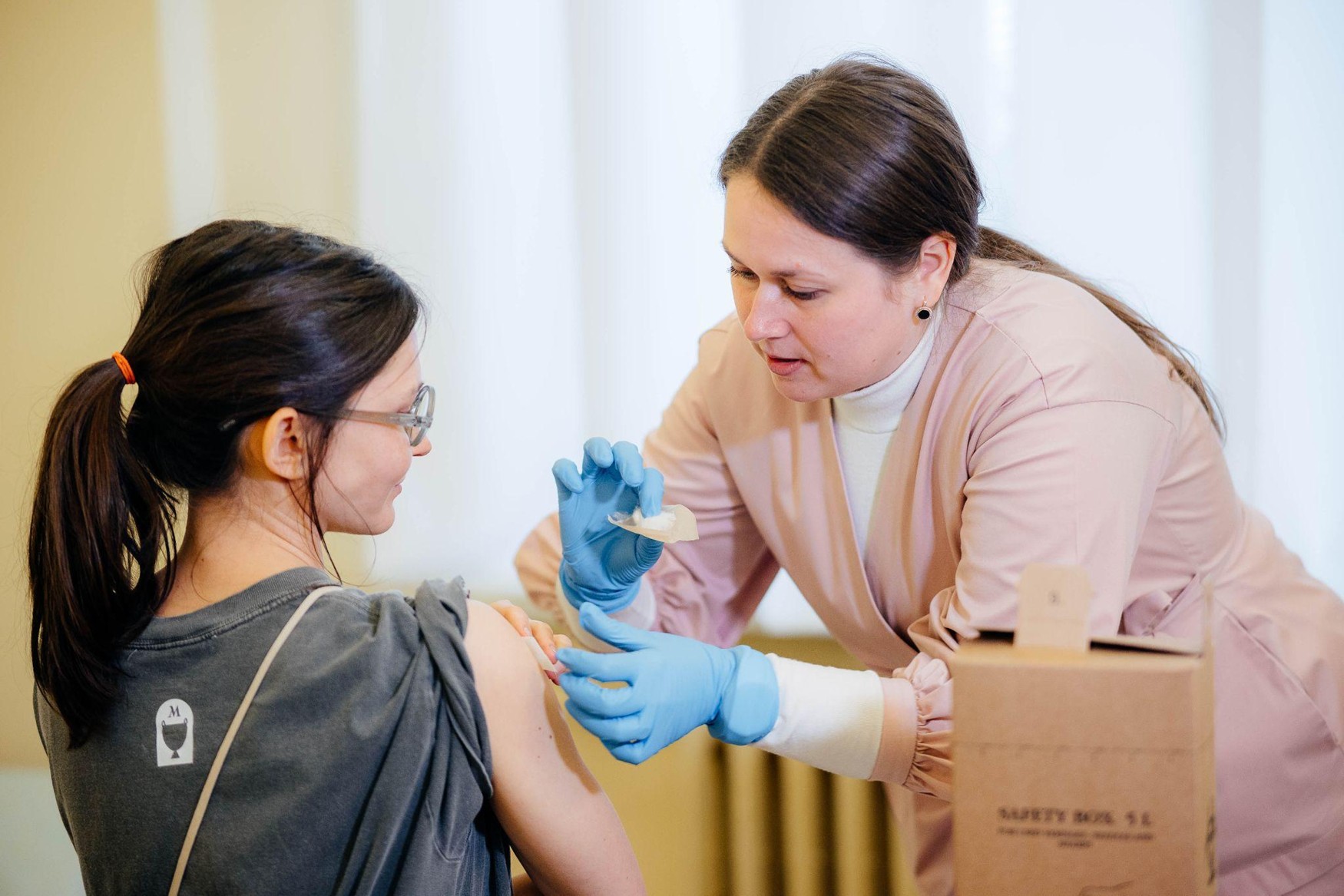
By the end of 2024, more than 80% of children had been vaccinated in line with the national immunisation schedule. Uptake of the first dose of diphtheria, tetanus and pertussis (DTP) vaccine was estimated at 93%, while 92% had the first dose of the measles vaccine.
‘Levels are gradually approaching pre-war figures, though still below the 95% threshold needed for herd protection,’ says Dr Grechukha.
Comparing the current situation with pre-war data is far from straightforward. A large number of children – approximately 7 million – have left the country, mostly with their mothers.
‘With our national counterparts, we’re observing vaccine consumption rates that demonstrate some signals of positive trends,’ he says. ‘We should also note that, for the first time in three years, no vaccine stockouts have been reported. This has been possible thanks to the support of Gavi, the Vaccine Alliance. However, we cannot say that the situation is “better” than it had been. It’s more honest to say that it’s different.’
Before the war, Ukraine recorded several significant outbreaks of vaccine-preventable diseases: there were 57,000 cases of measles in 2019. Today, in the European region, measles rates are higher than at any point this century and Ukraine continues to record more than 1,000 cases.
The WHO immunisation dashboard shows that there was a pertussis outbreak in 2024, with more than 7,500 cases. This has prompted authorities to respond as best they can under the circumstances, showing the value of ongoing disease surveillance.
‘Ukraine’s public health and infectious disease surveillance has shown resilience but remains under strain due to wartime disruptions,’ Dr Grechukha says. WHO, at the request of the Ministry of Health and in partnership with the Ukrainian Public Health Center, has been enhancing surveillance, laboratory capacity, workforce development, and outbreak response since before 2022 – intensifying their efforts since the start of the war.
‘This includes providing essential equipment and reagents, as well as referring samples to reference laboratories. The national laboratory network has made tremendous progress and has received several quality control certifications.’
Robust data collection has informed responses not only to pertussis and measles epidemics, but also to successfully control poliovirus which had been detected in 2021.
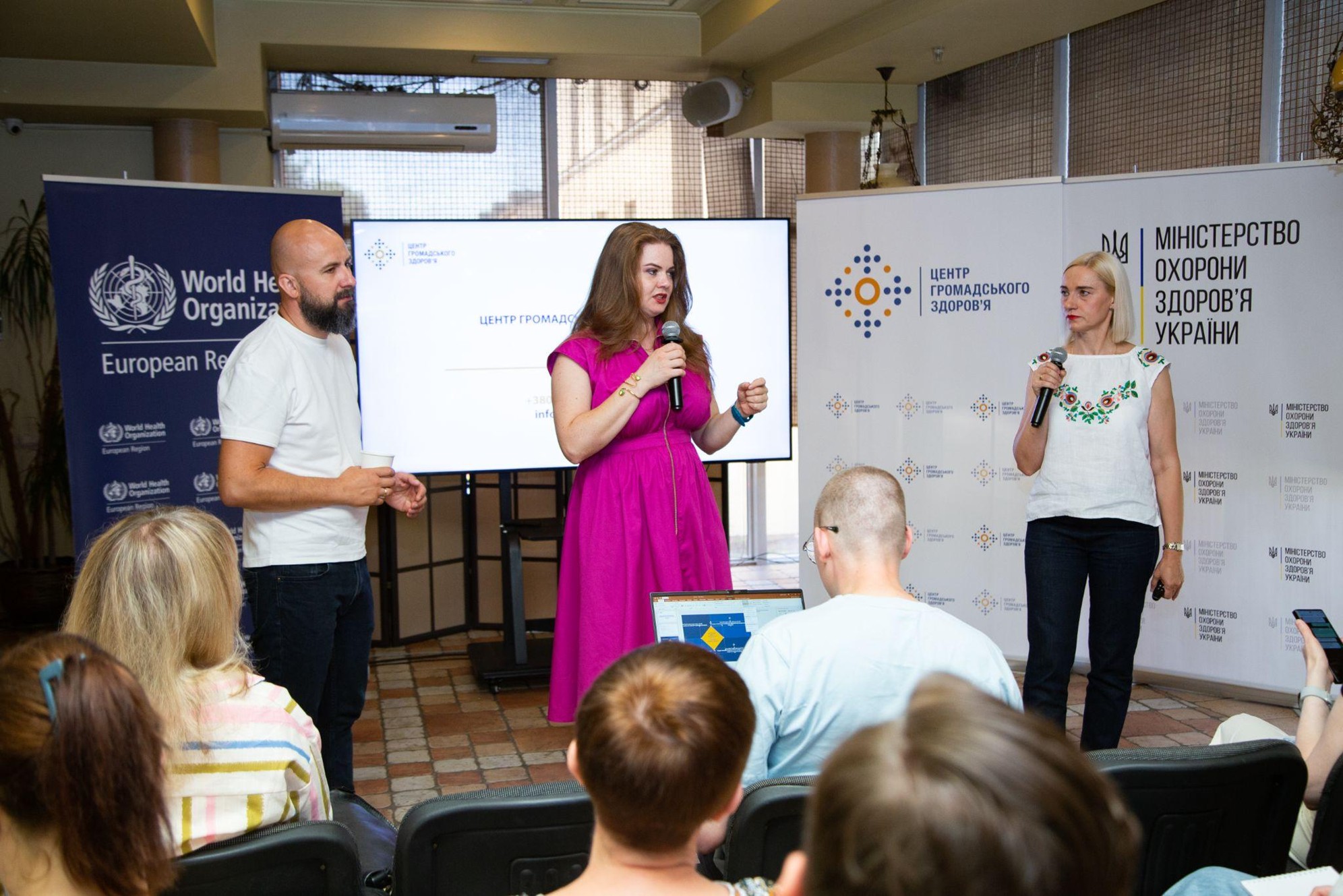
As of the end of August, 901 pertussis cases and 1,377 measles cases had been registered in Ukraine this year (2025). The elevated levels are likely linked to individuals who are unvaccinated or not up to date with their vaccinations, natural epidemic cycles, and waning immunity, Dr Grechukha notes. ‘For us it is important not only to report about this situation and cases, but also respond to them,’ he adds.
In response to the pertussis outbreak, additional immunisation activities were launched across all age groups. In 2023, with WHO support, a measles response plan was designed, simulation exercises were conducted, and plans are being adjusted in several regions of the country.
Pharmacy-based vaccines
‘Despite the very challenging situation, we do see positive trends,’ Dr Grechukha says. ‘Over the past three years, Ukraine has not only preserved its healthcare system and immunisation programme but also continued to modernise them.’
Ukraine has continued to modernise vaccination services. In 2023, the country endorsed a new National Immunization Strategy, aligned with the WHO European Immunization Agenda 2030. The new vaccination schedule includes the introduction of the HPV vaccine for girls aged 12-13 years, starting in 2026.
Thanks to cooperation with GAVI, the Vaccine Alliance, Ukraine has secured a full supply of vaccines for the National Immunisation Schedule throughout 2025. The partnership will continue next year, which will help to introduce changes to the immunisation schedule.
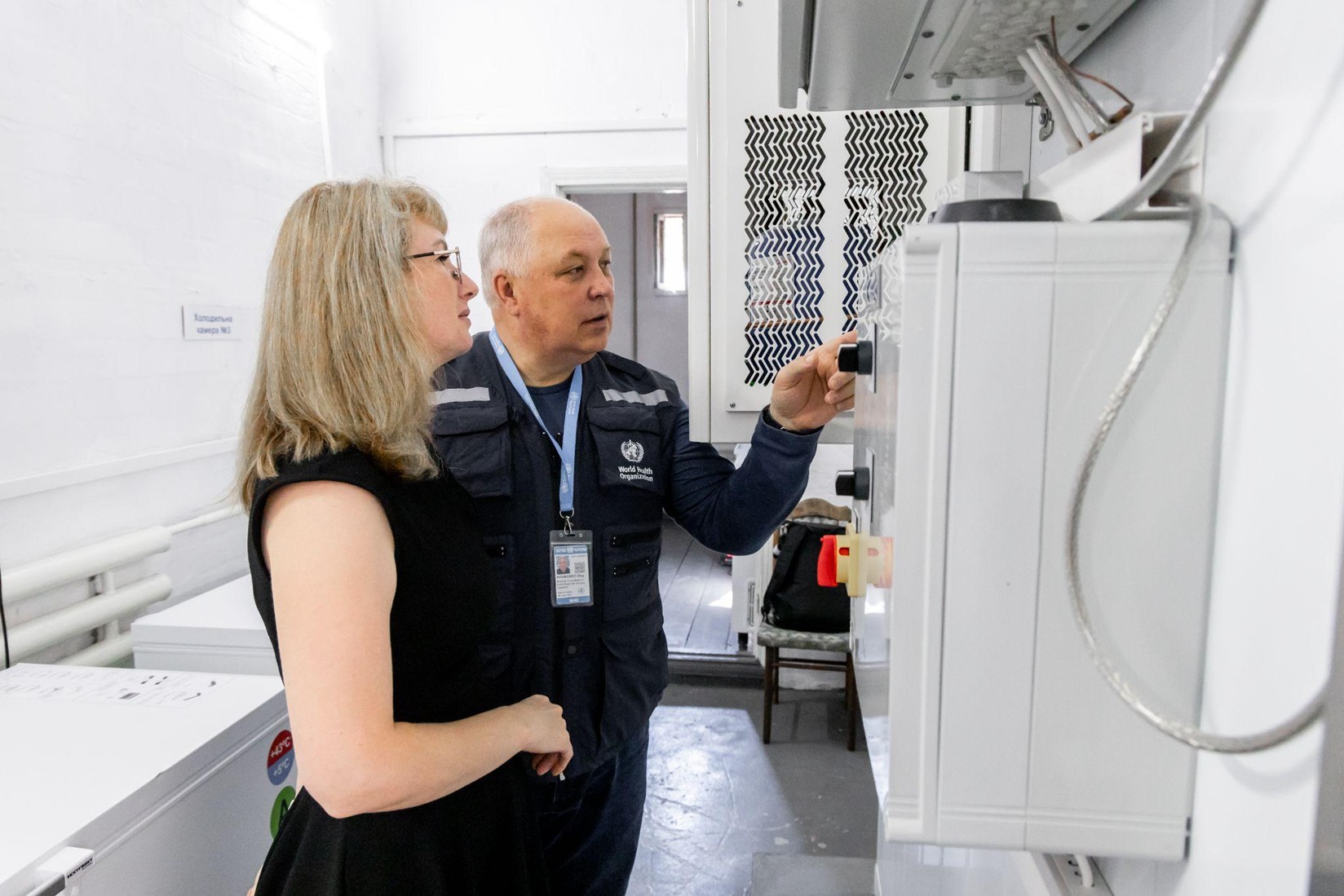
‘Since the pandemic, the National Immunization Programme has significantly strengthened and modernised the cold-chain system. These reforms have continued despite the ongoing war.’
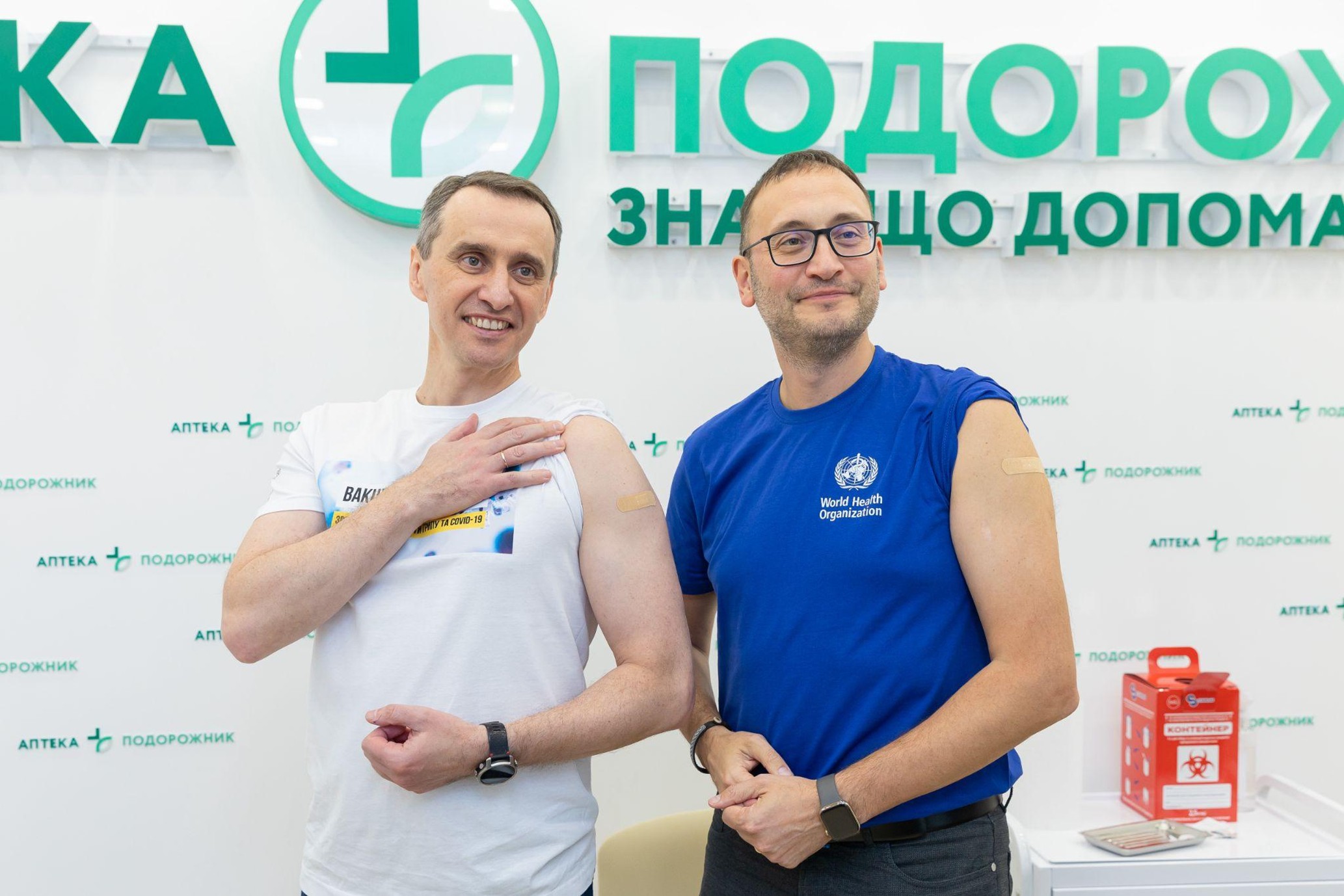
With WHO technical support, the country began pharmacy-based flu vaccination last autumn. This year, the service is expected to expand in both the number of delivery points and the number of trained pharmacists.
‘These steps demonstrate that even under wartime conditions, the programme is not only surviving but also evolving in line with international standards,’ Dr Grechukha told Vaccines Today.
Waiting for peace
As people living in Ukraine await an end to the war, many are getting on with life as best they can. Despite the depleted workforce, the destruction of buildings and the practical challenges of delivering services under threat of bombs and drone attacks, the immunisation system is proving remarkably resilient.