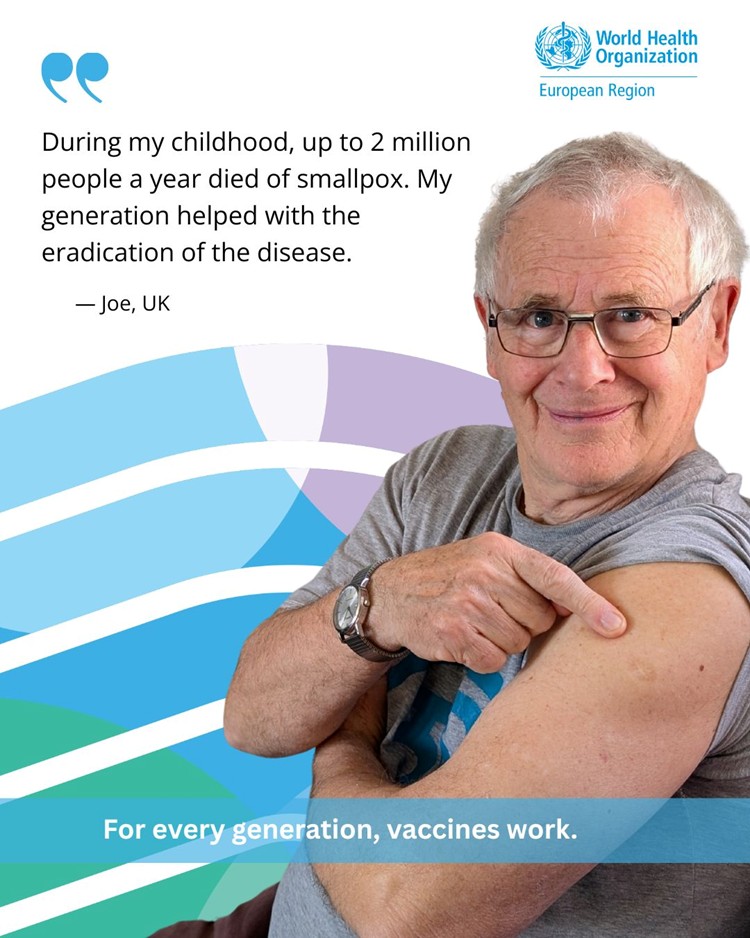



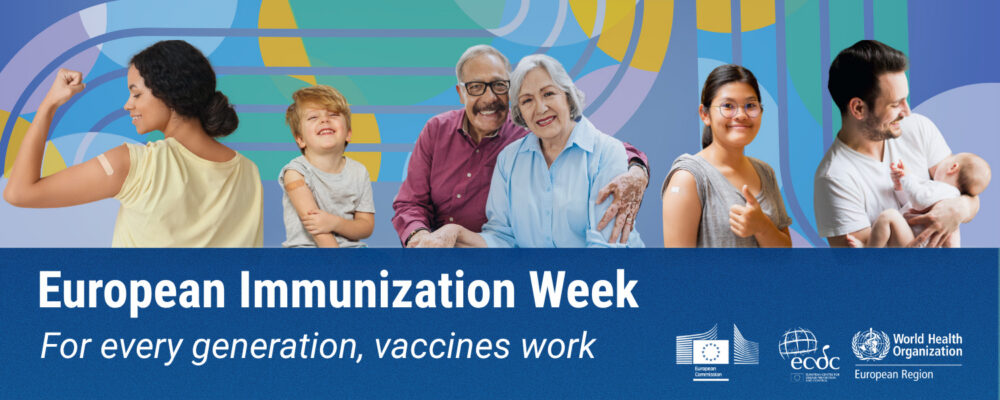
A new report on HPV vaccination programmes highlights steady progress in cancer prevention efforts across the European Union and European Economic Area (EU/EEA). Elimination of cervical cancer is becoming an achievable goal, a leading European expert said this week, as Europe marks European Immunisation Week (EIW) 2026. The theme of this year’s EIW is For Every Generation, Vaccines Work.
All EU/EEA countries now recommend HPV vaccination for adolescent girls and boys as part of their immunisation programmes, a major step forward in Europe’s cancer prevention efforts. This progress is already translating into high vaccination uptake in several countries, the European Centre for Disease Prevention and Control (ECDC) says.
The report indicates that three EU/EEA countries (Iceland, Portugal, Norway) have reached the 2024 EU Council Recommendation target of 90% HPV vaccination coverage among girls by the age of 15 years.
The ECDC said that fifteen years after HPV vaccination programmes were introduced in Europe, a growing body of evidence confirms that the vaccines are highly effective in preventing cervical cancer.
Large-scale studies from European countries (e.g. Sweden, the Netherlands, Denmark), as well as from other parts of the world, showed significant reductions in HPV infections and precancerous lesions, along with declining cervical cancer rates among women who are vaccinated. The report shows that school‑based vaccination programmes are particularly effective and tend to reach higher levels of coverage among both girls and boys.
Read more: Swedish study: HPV vaccines protect against cervical cancer after 18 years
‘The elimination of cervical cancer in the EU/EEA is becoming an achievable goal, thanks to the HPV vaccination programmes. The progress we are seeing across Europe demonstrates what can be accomplished when countries invest consistently in effective immunisation strategies,’ Bruno Ciancio, Head of Unit, Directly Transmitted Diseases and Vaccine Preventable Diseases, ECDC, said in a statement. ‘We are closely monitoring this progress and actively supporting countries to accelerate uptake and move faster towards cervical cancer elimination.’
To support monitoring and action, ECDC has launched a new dashboard displaying vaccination coverage for HPV and for other vaccine-preventable infections such as hepatitis B, measles and rubella vaccines.
Despite the progress of vaccines in reducing HPV infections leading to cancer, screening programmes are essential to continue complementing vaccination due to the risk of infection by virus types not covered by the vaccines.
European Immunisation Week is a reminder that closing gaps through collective efforts, commitment, and investment is essential, not only to prevent infections today, but also to reduce the burden of cancer and protect the health of generations to come.
‘For every generation, vaccines work’
A joint meeting to mark European Immunization Week was held on 20 April by the ECDC, the European Commission’s Directorate-General for Health and Food Safety (DG SANTE), and the World Health Organization Regional Office for Europe. The event highlighted the importance of vaccination for people of all ages.
Liudmila Mosina, medical officer at WHO/Euro, noted the rise of anti-vaccine messages globally. She emphasised the role of healthcare workers in addressing people’s questions and concerns related to vaccines.
Rita Figuera of the European Commission’s DG SANTE advocated a life-course approach to immunisation. She said the Commission is working on a proposed Council Recommendation on immunisation as a preventative measure for protecting people with cardiovascular diseases. This is in line with the EU’s Safe Hearts Plan, launched late last year.
Read: Vaccination is vital to cardiovascular prevention, say heart specialists
Coming soon:
- How the ECDC is helping healthcare professionals apply behavioural science to immunisation programmes.
- Interview: A new Europe-wide initiative aims to protect against cancer-causing infections