




Viral hepatitis can cause liver damage and cancer. The WHO estimates that 254 million people are living with hepatitis B and 50 million with hepatitis C.
Hepatitis-related cirrhosis and liver cancer cause 1.3 million deaths – equivalent to more than 3,500 deaths each day – making hepatitis B and C among the leading infectious diseases worldwide.
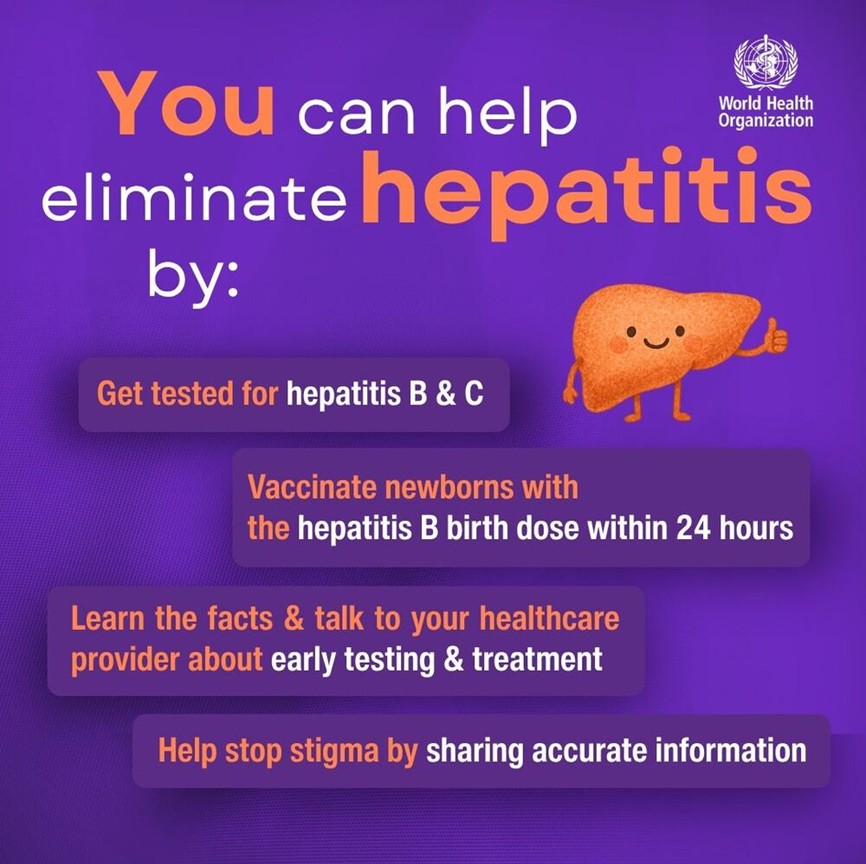
Scientific advances have paved the way for doctors to dramatically reduce the number of people affected by liver problems caused by viruses. Hepatitis B can be prevented through vaccination. Modern treatments can significantly reduce the impact of Hepatitis C.
Ten years ago, in 2016, the WHO published a strategy aiming to eliminate viral hepatitis (Hep B & C). Now the Organisation has launched the first implementation handbook to accelerate action at country level.
Read: Europe plans to eliminate hepatitis B by 2030 ‒ can it be done?
The document, written for programme managers, policymakers, clinicians and others, aims to support countries in expanding prevention, testing, treatment, service delivery and monitoring. It also supports the integration of hepatitis services within primary health care and universal health coverage platforms.
The European Liver Patient Association (ELPA) said the success of the new guidance is dependent on how well countries implement them.
‘Patients don’t experience healthcare in guidelines — they experience it in fragmented systems, long waits, and missed opportunities for diagnosis,’ Marko Korenjak, ELPA President told Vaccines Today. ‘We already have the tools to improve liver health outcomes. What has been missing is consistent implementation.’
He called on governments to translate the handbook into real-world improvements to how hepatitis is prevented, tested and treated. ‘This WHO guidance provides a clear direction, and in the EU, the real test will be whether Member States can turn these recommendations into everyday clinical practice, reaching patients earlier and more equitably.”
Read: Consolidated guidance & implementation handbook on hepatitis B & C
What is hepatitis?
Hepatitis is characterized by inflammation of the liver, generally caused by a viral infection. There are five main types of hepatitis virus, categorized as hepatitis A, B, C, D and E. Hepatitis A, B and C are more common than D and E. Vaccines can prevent hepatitis A and B.
Hepatitis A is associated with poor food hygiene practices. Outbreaks of hepatitis A are not common in Europe. The associated illness is usually relatively short, compared to the impact of hepatitis B and C which cause long-term health problems.