



The Pneumococcal Vaccination Atlas, published by the International Longevity Centre UK, puts the spotlight on vaccination policy differences across 42 European countries.
Story highlights
- Pneumococcal vaccines protect against the most common bacterial pneumonia
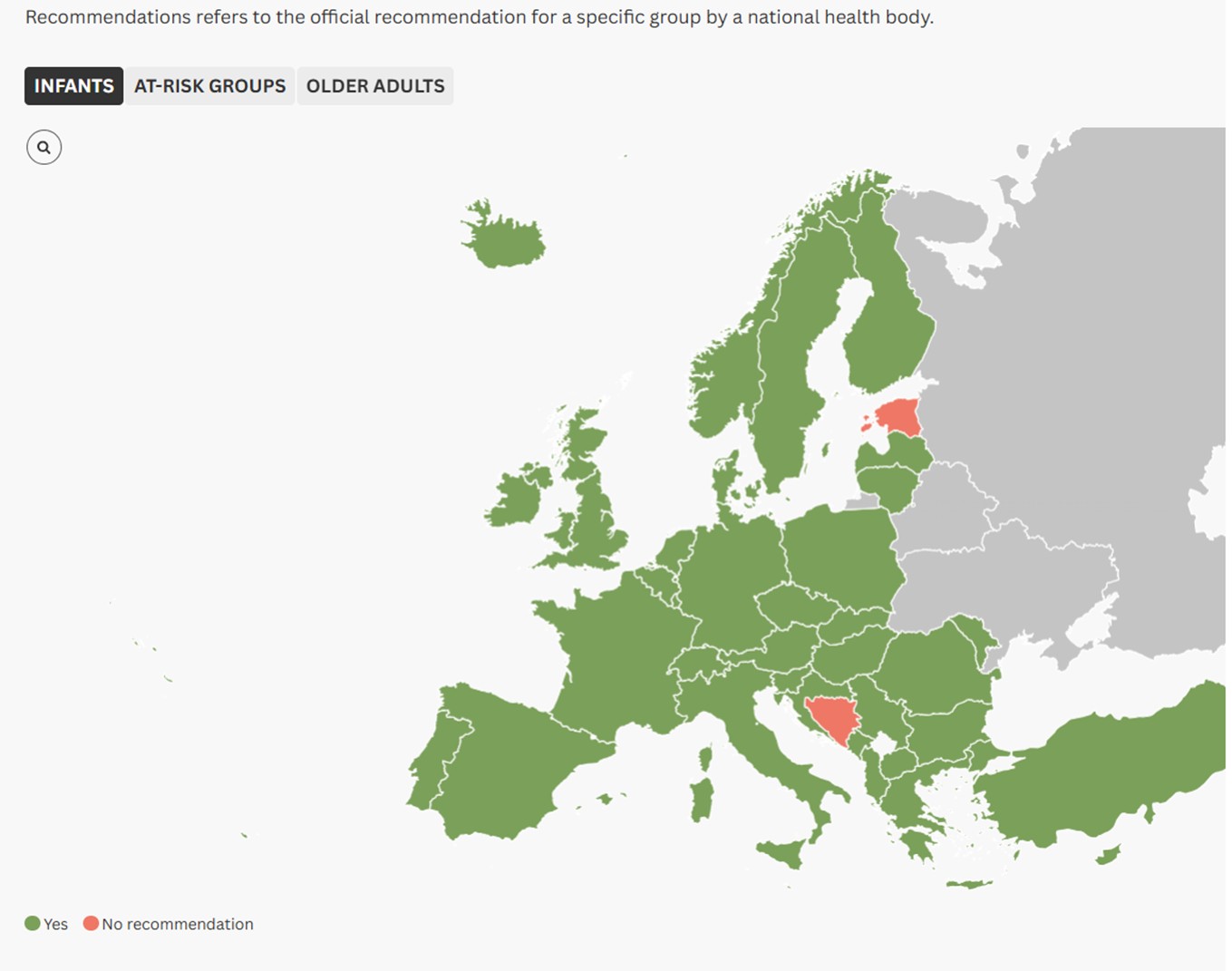
- Two out of 42 countries, Bosnia and Estonia, do not offer the vaccine for infants
- 1 in 5 countries do not offer pneumococcal vacation for older adults
- 1 in 4 countries do not offer the vaccine for those in high-risk groups (such as living with an underlying medical condition
Pneumonia is an inflammation of the lungs. It is most commonly caused by infection which leads the lungs’ tiny air sacs to fill up with fluid, impairing the supply of oxygen to the body. Pneumonia can lead to hospitalisation. It may cause death and, in those who survive, it is associated with long-term consequences.
The very young and very old are at highest risk, while those with underlying conditions such as asthma, chronic lung disease, renal and liver disease, and neurological conditions, are also vulnerable.
Preventing and protecting
Pneumonia may be triggered by a range of viruses and bacteria. Preventing these infections plays an important role in preventing pneumonia. For example, flu vaccines protect against flu but also reduce the chance of ‘secondary bacterial pneumonia.
Pneumococcal vaccines protect against the most common bacterial form of pneumonia caused by Streptococcus pneumoniae. But while this vaccine is widely recommended and reimbursed for infants across Europe, the picture is much different for other risk groups.
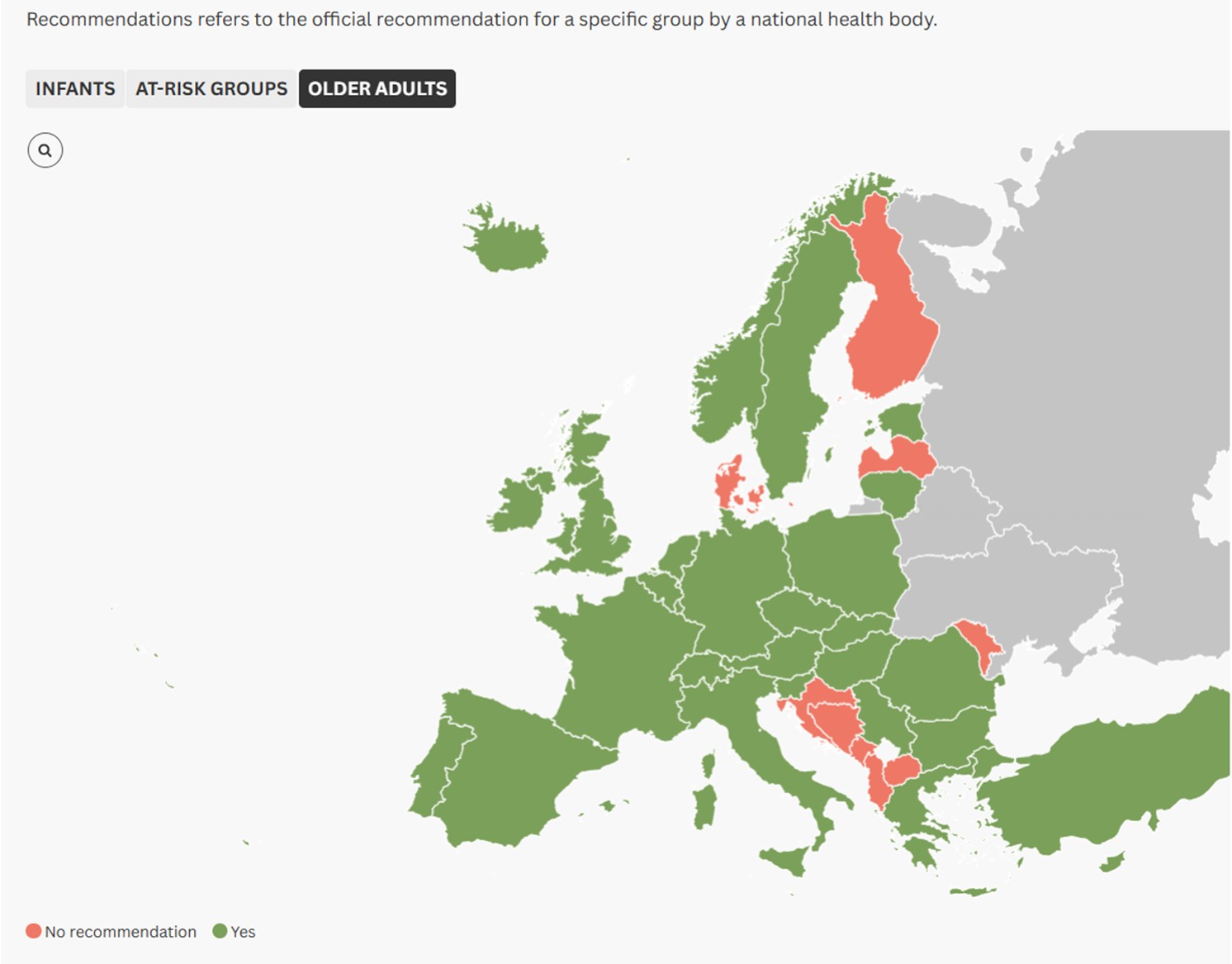
The updated Pneumococcal Vaccination Atlas was first launched in 2023. It maps pneumococcal vaccination coverage, recommendations and funding in 42 European countries, providing an overview of the strengths of national immunisation programmes against pneumococcal disease.
The research paints a mixed picture, confirming that infant vaccination policies remain steadfast, while national immunisation programmes for older adults have increased progressively. However, among at-risk groups, there has been a regression in vaccine policies, putting the most clinically vulnerable people in Europe at greater risk of pneumococcal disease.
Compared with the first version of the Atlas which uses 2021 data, there has been progress on infant vaccination, with Montenegro now funding infant vaccination. Some countries have seen real increases in uptake, like Poland (from 62% to 89%) and North Macedonia from 53% to 72%). But other countries are seeing a decline – Romania’s infant coverage has decreased 20 percentage points.
For at-risk groups, data on coverage is sparse. Progress can be seen in Italy (from 4% to 39%), but Hungary has removed funding for at-risk groups. Meanwhile, coverage for older adults ranges from below 10% in France and Spain to over 75% in Scotland. However, many older adults still need to pay out of pocket, creating inequities between age groups.
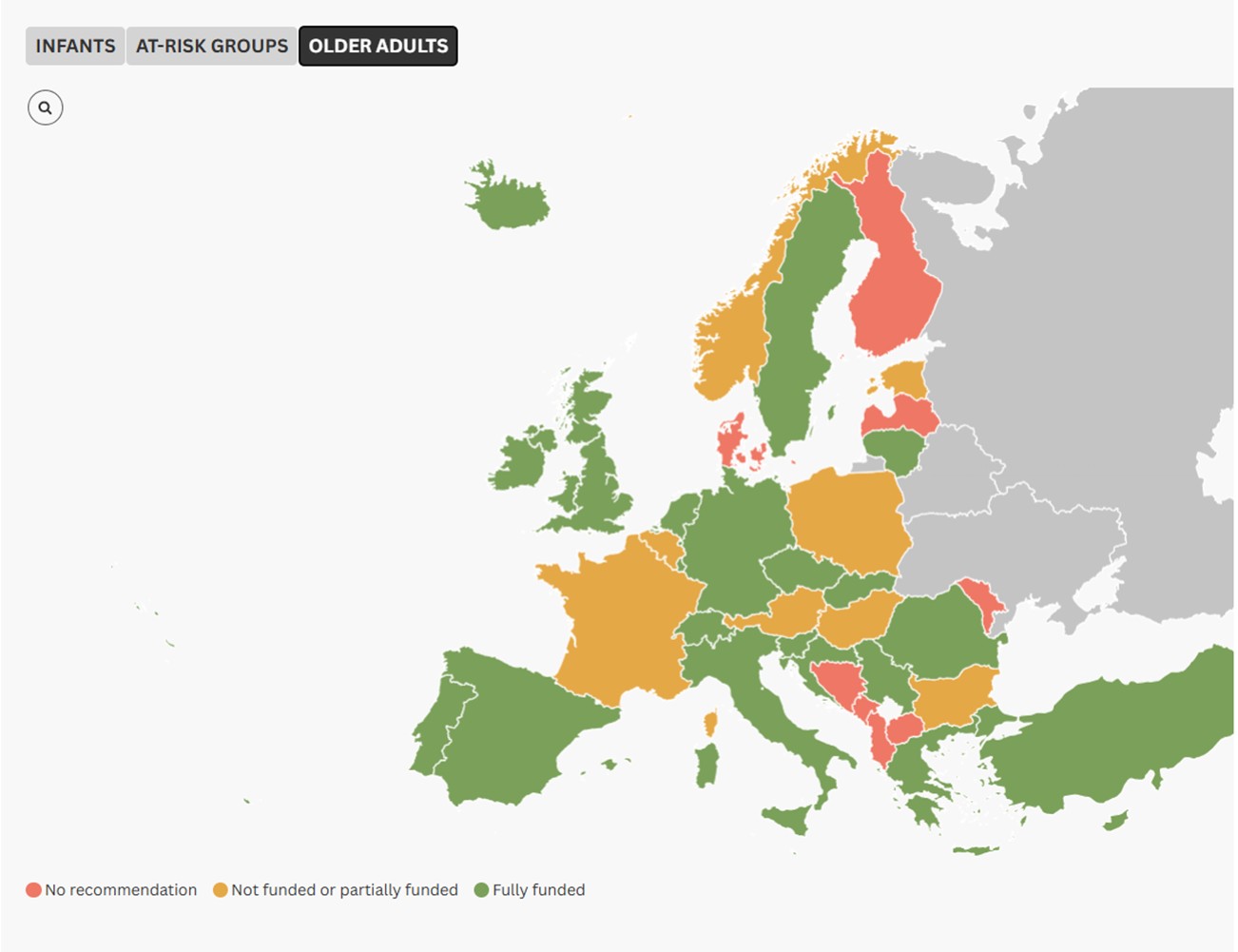
‘While progress has been made on pneumococcal vaccination since the first wave of the Atlas, gaps in uptake remain,’ said Patrick Swain, Head of Partnerships and External Relations, ILC. ‘More countries are now recommending vaccination for older adults, but coverage is still worryingly low, with just over one in three (37%) vaccinated against pneumococcal disease.’
He said that while the COVID-19 pandemic could have been a turning point in advancing life-course immunisation, it instead represents a missed opportunity to strengthen protection.
‘Policymakers acted promptly to protect older people and at-risk groups during the pandemic, but since then momentum has faded. We need that same sense of urgency now to prevent illness and death from pneumococcal disease.’
Read more:
- Pneumococcal Vaccination Atlas
- Protecting against pneumonia: how is your country doing? (Vaccines Today, March 2023)